
Pet stains and odor in a mattress: what actually gets it out
A mattress that smells fine on a dry day and musty on a humid one is not your imagination. The odor is reactivating, not returning.
September 25, 2026 · 4 min read · Furniture
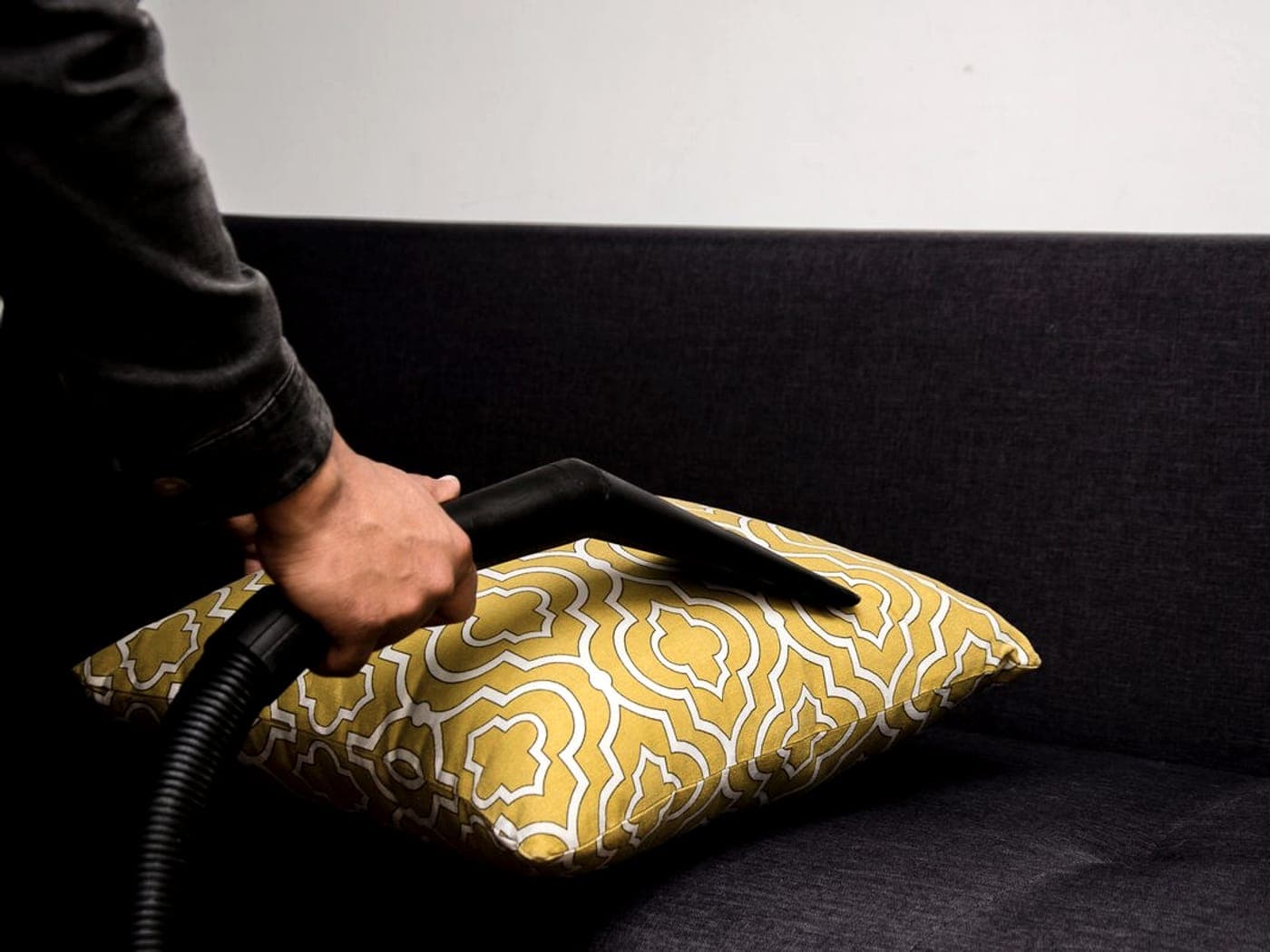
Why a mattress holds odor longer than a couch
A mattress is built in dense layers of foam and fiber with very little airflow through the middle of it, which is exactly what makes it comfortable and exactly what makes it hard to clean. A spill on a sofa cushion mostly stays near the surface. A spill on a mattress soaks downward through multiple layers before it stops spreading, and it stays there far longer because there is nowhere for the moisture to go.
What is actually happening chemically
Urine does not stay liquid. As it dries, the urea in it crystallizes, and those crystals are largely odorless while dry. The smell that shows up on a humid day, or after the mattress warms up under a sleeping body, happens because moisture in the air reactivates the crystals and releases odor again.
This is why a mattress can seem fine for weeks and then smell strongly on a damp Northwest morning. The source never left. It was just dry enough to stay dormant.
Why spray-and-blot mostly fails here
A surface spray, even a good enzymatic one, mostly treats what it can reach, which on a mattress is the quilted top layer. The crystals that cause the recurring smell often sit deeper, in the foam or fiber fill underneath the surface, and a light surface treatment simply does not reach them.
That is also why the smell sometimes seems to move: a spot treated on the surface can still reactivate from below once the treated area dries and the untreated layer beneath it gets warm and humid again.
Why the smell seems worse at night
This pattern confuses a lot of people: a mattress that seems fine during the day gets noticeably worse once someone is actually lying on it. Body heat and the humidity trapped under a blanket both push local temperature and moisture up right at the surface where the crystals sit, which is exactly the combination that reactivates them. It is not the mattress getting worse over the course of the evening. It is the same dormant issue responding to warmth and moisture the way it always does.
What actually works
An enzymatic pre-treatment breaks down the uric acid and protein in the stain chemically, rather than just masking it, and needs real dwell time to work before anything else happens. Extraction afterward pulls the broken-down residue and moisture out of the mattress.
The balance that matters here is depth without saturation. The treatment needs to reach past the surface layer, but a mattress that gets fully soaked can develop its own new problem: trapped moisture deep in the foam that takes days to dry and can start growing mildew before it does.
Signs a mattress needs more than a surface clean
A few patterns point to something deeper than what a home spray will fix.
- A smell that comes and goes with humidity or body heat, rather than staying constant
- A stain that looks faded on top but the smell has not changed
- A spot that keeps reappearing after multiple surface cleanings
- Visible discoloration on the underside of the mattress, which means it soaked all the way through
What we cannot promise
A mattress that has absorbed repeated accidents over a long period, or one that sat with a spill unaddressed for weeks, may improve significantly without becoming completely odor-free. Foam that has held moisture that long can retain some of it in its structure regardless of how thoroughly it is treated. We will tell you honestly what a mattress in that condition can realistically expect before we start.
A mattress protector changes the math going forward
None of the treatment above changes the fact that prevention is far easier than removal once a mattress has been treated and dried. A waterproof, breathable protector between the sheet and the mattress keeps any future accident on a surface that can be wiped down or laundered, rather than letting it repeat the same soak-through-and-crystallize process into the foam. For a household with a young pet or a child still in the process of potty training, that single change matters more than any cleaning routine.
Why professional treatment differs from a store-bought spray
An enzymatic spray bought off a shelf is formulated to be safe for someone to use unsupervised in their own home, which generally means a lower concentration and a shorter recommended dwell time than what actually breaks down a set-in stain fully. That is a reasonable safety tradeoff for a retail product, but it is also why the same spray that worked well on a fresh accident often does very little for something that has been there for weeks.
A professional-strength treatment uses a stronger solution with a longer working dwell time, paired with extraction equipment that a spray bottle and a paper towel cannot replicate. The gap between the two is not marketing. It is genuinely a different depth of treatment.
Mattress type changes what is actually happening
Memory foam holds onto moisture longer than most people expect, since its dense cell structure that makes it comfortable is the same structure that resists letting liquid pass through and evaporate. An innerspring mattress has more open airflow around the coils, but the fabric batting layers on top still absorb and hold a spill the same way any padded fabric does.
Hybrid mattresses, foam over springs, tend to behave like memory foam near the surface and like an innerspring further down, which is part of why a spill on a hybrid can seem to disappear from the surface while still being very present a few inches deeper. None of this changes the treatment approach, but it does change how long full drying realistically takes.
Drying matters as much as cleaning
A mattress needs real airflow after treatment, not a fabric softener spray to mask any remaining dampness while it dries. A fan aimed across the surface, or a dehumidifier running in the room, cuts drying time meaningfully and reduces the chance of a secondary mildew smell showing up a few days later. Plan for it to be out of use for several hours, not minutes.