
Caring for leather seats between details so they do not crack
Leather does not crack from age on its own. It cracks because the oils that keep it flexible dry out faster than most people replace them.
September 25, 2026 · 5 min read · Interior
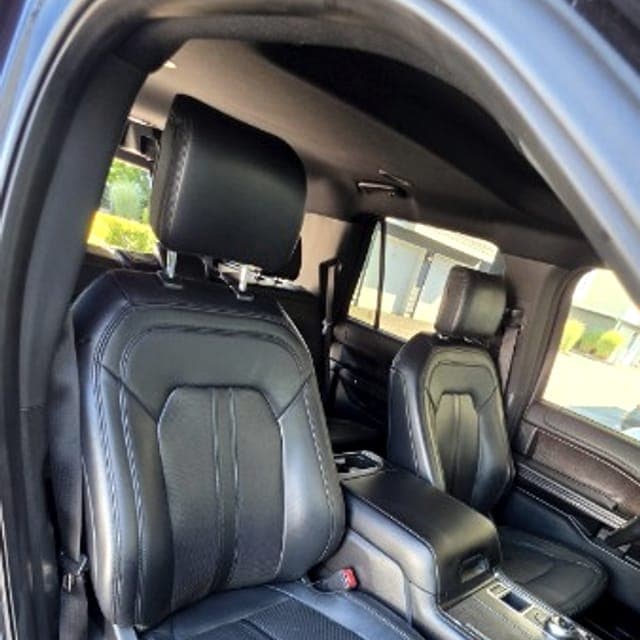
Leather is skin, not fabric
Automotive leather is a treated animal hide, and it behaves like skin rather than cloth. It is porous, it absorbs oils, and it can dry out and stiffen exactly the way skin does without moisture. That is a very different material to care for than the woven cloth seating in the same vehicle, and treating it the same way, with extraction or a stiff scrub brush, damages the surface rather than cleaning it.
What actually cracks leather
Cracking is almost never sudden. It is the end point of a slow drying process, usually caused by one of three things.
- UV exposure through the windshield and side glass, which dries out the natural and applied oils in the leather over months of sun
- Harsh all-purpose cleaners used instead of a pH-appropriate leather cleaner, which strip the protective finish coat along with the dirt
- Silicone-based shine products, which look glossy immediately but sit on top of the leather and can clog the pores that let it breathe, accelerating drying underneath the shine
The two-step most people skip
Cleaning leather and conditioning leather are two different steps, and doing only the first leaves the job half finished. A cleaner lifts dirt and body oils out of the surface, which is necessary, but it also removes some of the leather's own moisture along with the grime. Skipping conditioner after cleaning leaves the leather drier than before you started.
The two together, in that order, are what actually keep leather supple for the long run. This is why a proper leather service always ends with conditioner, not a wipe and a shine spray.
Why heated and cooled seats add their own wear
A lot of vehicles on the road here now have heated seats, and some have ventilated or cooled ones too. Both cycle the leather through repeated temperature swings in a way that plain seating never experiences, and repeated heat cycling dries out the same oils that sun exposure does, just from the inside instead of the outside. A driver's seat with heating used daily through a Northwest winter can show wear in a similar pattern to a seat that has taken years of direct summer sun, just from a different mechanism.
This is not a reason to avoid using the feature. It is a reason those seats specifically benefit from a slightly shorter conditioning interval than the rest of the cabin, since they are working harder than the rest of the leather is.
Choosing products that actually help
Not every product labeled for leather is meant for automotive leather specifically. Household leather furniture cleaners are formulated for a different kind of hide with a different finish coat, and using one on a car seat can leave a residue or a slightly different sheen than an automotive-specific product would. Look for a cleaner and conditioner made for automotive leather rather than furniture, and test a small hidden area first if you are trying something new.
A simple check that catches most bad products: if a leather conditioner leaves the seat feeling oily or noticeably shinier right after use, it is likely leaning on silicone rather than actually conditioning the material. A properly conditioned seat should feel supple, not slick.
A simple routine between professional details
Nothing here replaces a full interior detail, but a few habits meaningfully slow how fast leather dries out in the months between visits.
- Wipe down with a slightly damp microfiber weekly to lift dust and body oil before it builds up
- Condition every one to two months, more often on seats with heavy sun exposure
- Use a windshield sunshade when parked, which measurably reduces dash and front-seat surface temperature
- Blot spills immediately with a dry cloth rather than rubbing, the same rule as cloth upholstery
- Avoid all-purpose household cleaners and glass cleaner overspray, which are more alkaline than leather needs
Why sun-facing seats age differently
The driver's seat and the front passenger seat almost always show wear before the rear bench, because they take direct sun through the windshield and side glass for years of daily parking. Cars with a sunroof see faster wear on whichever seats sit under it. If you notice one seat looking drier or more textured than the others, that is usually the reason, not a sign of a different problem.
What a professional pass adds
We clean leather with a pH-appropriate cleaner and a soft brush to work it into the grain without scrubbing, then condition it. The result is left matte rather than glossy on purpose. A shine-heavy finish looks impressive for a day and often means a silicone-based product was used, which is the opposite of what keeps leather in good condition long term.
New leather versus older leather
A newer vehicle's leather usually carries a factory-applied protective finish that resists staining and light sun exposure better than the leather itself would bare, which is why a car in its first couple of years often looks fine with minimal attention. That finish wears down gradually with sun exposure and use, though, and by the time a vehicle is several years old, much of that original protection is gone even if the leather still looks fine on the surface.
That is the point where a regular conditioning routine stops being optional maintenance and starts being the only thing standing between the leather and the drying process that leads to cracking. Waiting until a car is older to start caring for the leather is waiting until the factory's head start has already run out.
Winter and summer stress leather differently
Summer dries leather primarily from direct sun through the glass, concentrated on whichever seats and surfaces face the light through the day. Winter has its own version of the same problem: cabin heaters blow hot, very dry air directly across the dash and front seats for months at a time, which pulls moisture out of the leather from a different direction but with a similar end result.
A conditioning routine that only responds to visible sun damage misses the winter half of the problem, since dry heater air does its work without leaving an obvious sign until the leather is already noticeably stiffer than it should be.
Warning signs it has gone too far
Stiffness, a slightly rough or textured feel where the leather used to be smooth, and fine surface cracking at high-flex points like the seat bolsters and the driver's seat bottom are the signs that dryness has moved past what regular conditioning reverses.
Once actual cracking has started, conditioning slows further damage but does not undo it. Repair and re-dyeing existing cracks is specialized work that a general detail does not include, and we will tell you plainly if that is what a seat needs rather than conditioning it and calling it fixed.